

WELCOME
Sāntimāggā is about understanding the subjective, first-person experience of perceiving the world, experiencing emotions, and monitoring one’s internal narrative. It’s learning to be present, mindful, and aware wherever you are, doing whatever you’re doing as you do it.
Please take up the practice for yourself and the good of all others.

The Four Conditions
1: Interdependence
All conditioned things in the whole of things inter-are. This Interdependence is the fact of causality. Nothing comes into being or passes away on its own. Everything comes into being, exists for a time, and passes away in relationship to an infinite variety of continuously changing conditions.
2: Impermanence
Impermanence is impersonal: it has no respect for anything or anyone. All conditioned things in the whole of things are continually changing. Impermanence makes all conditioned things possible. Change is the felt effect of impermanence: you can see it, feel it, hear it, smell it, and taste it.
3: No Separate Self
Acknowledging the absence of a separate self is a step beyond acknowledging interdependence and impermanence. With this experience comes the certainty that all conditioned things in the whole of things lack an independent or permanent existence outside their interdependent causal conditions.
4: Choice
Making choices is available to us because all conditioned things in the whole of things exist in a web of interdependence and continual transformation. As self-aware agents within this web, we influence the transformation process. Beliefs and understandings, intentions, choice-making, decision-making, and our behaviors are interrelated with the flow of things.



The Four Insights
The Practice
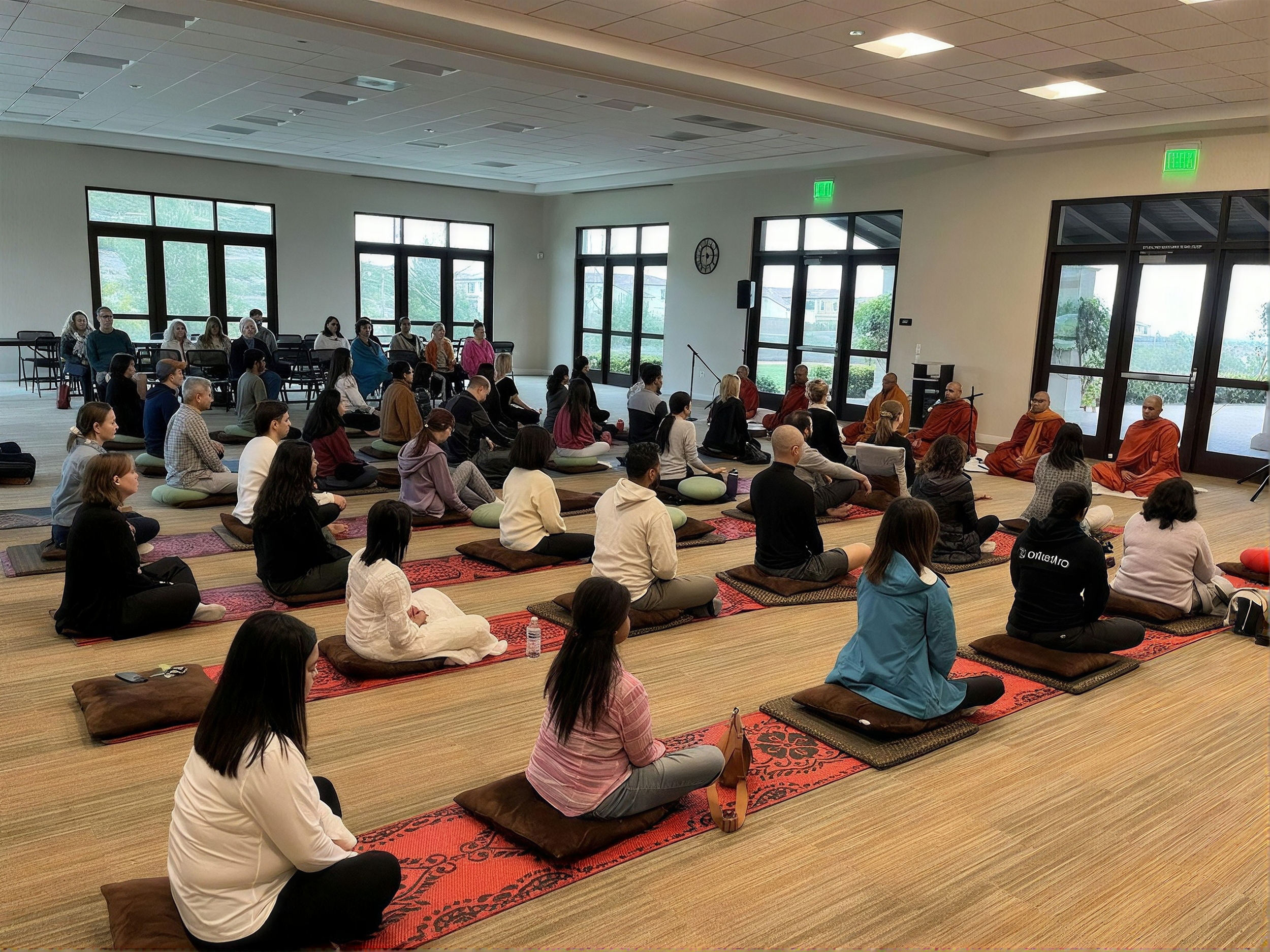
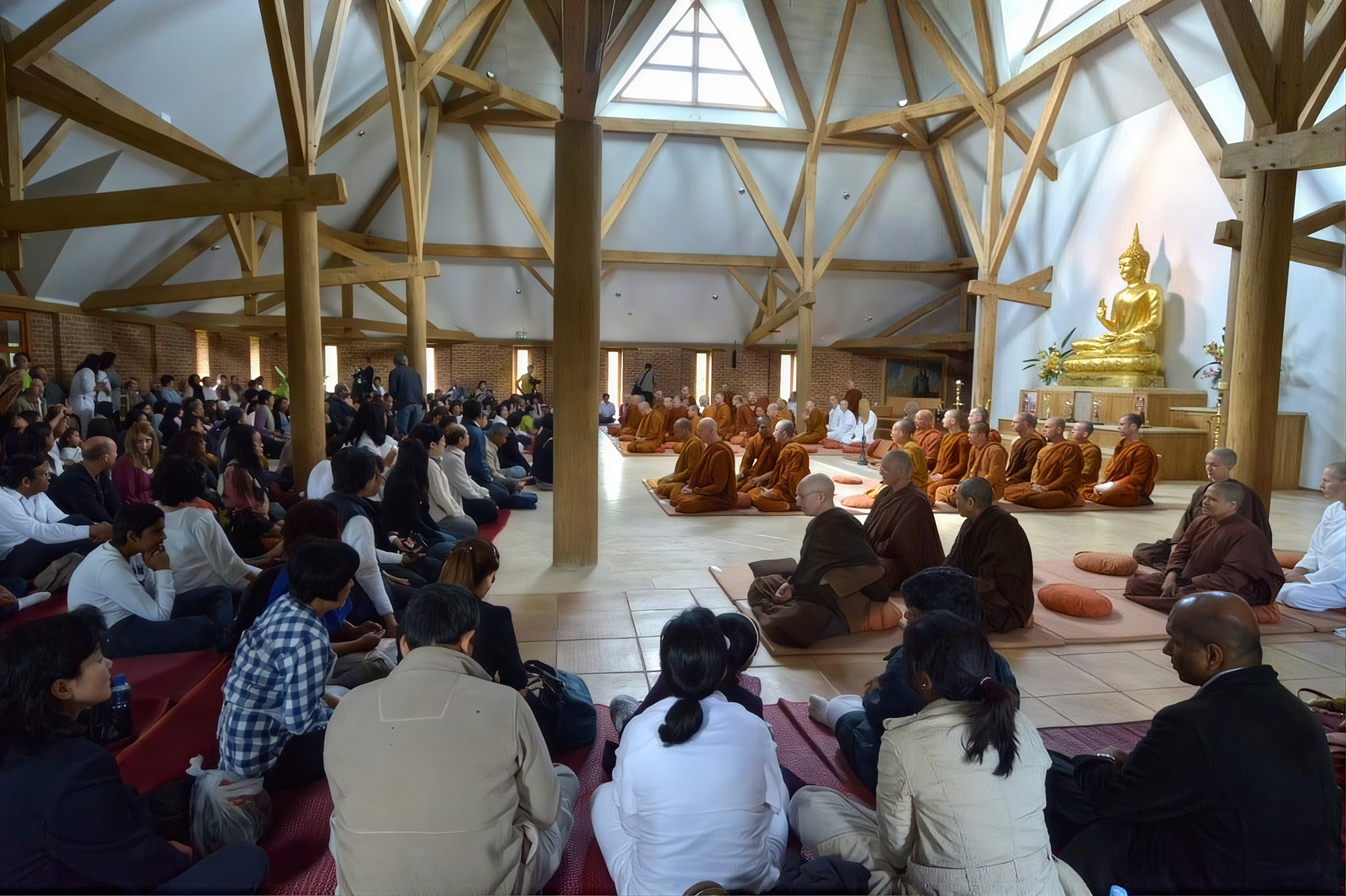
Enlightenment and deity religions serve populations seeking post-life liberation from karmic suffering or transgressions against divine law. These practices can do much good. However, and unfortunately, many of their followers knowingly act against their tradition’s better teachings by irrationally justifying discrimination and willfully condoning acts of unpeacefulness in all their forms. They’re often as intolerant, unpeaceful, violent, and warring as non-followers. While it’s not a pacifist practice, Sāntimāggā serves the needs of a population seeking peace of mind in this life, for themselves and the good of all others.
Three Essentials
Turn Intention Into Action
Sāntimāggā was created to be more than the study of spiritual philosophy or proficiency in contemplative practice. It arose from an insight that can shape our way of being: Survival of the human family comes down to three things — peace, people, and the welfare of our shared planet. Peace comes first. Unless we have peace, we can’t protect and preserve the other two.

What We Do
Sāntimāggā is neither a political movement, a new age movement, nor a religion. It has no commandments, no beings or objects of worship, and no gurus or spiritual intercessors. It’s a personal practice, a chosen way of being and going about daily life.

Take Action
You can make a difference. Our deepest aspiration is to share the Sāntimāggā practice with all who are interested. 80% of visitors come to our website because a friend or family member invited them.

Share the Practice
We answer inquiries between 9 am and 4 pm, USAET, Monday through Friday.